
AI Workout Coach vs Personal Trainer: What Data Should Change Your Next Set?
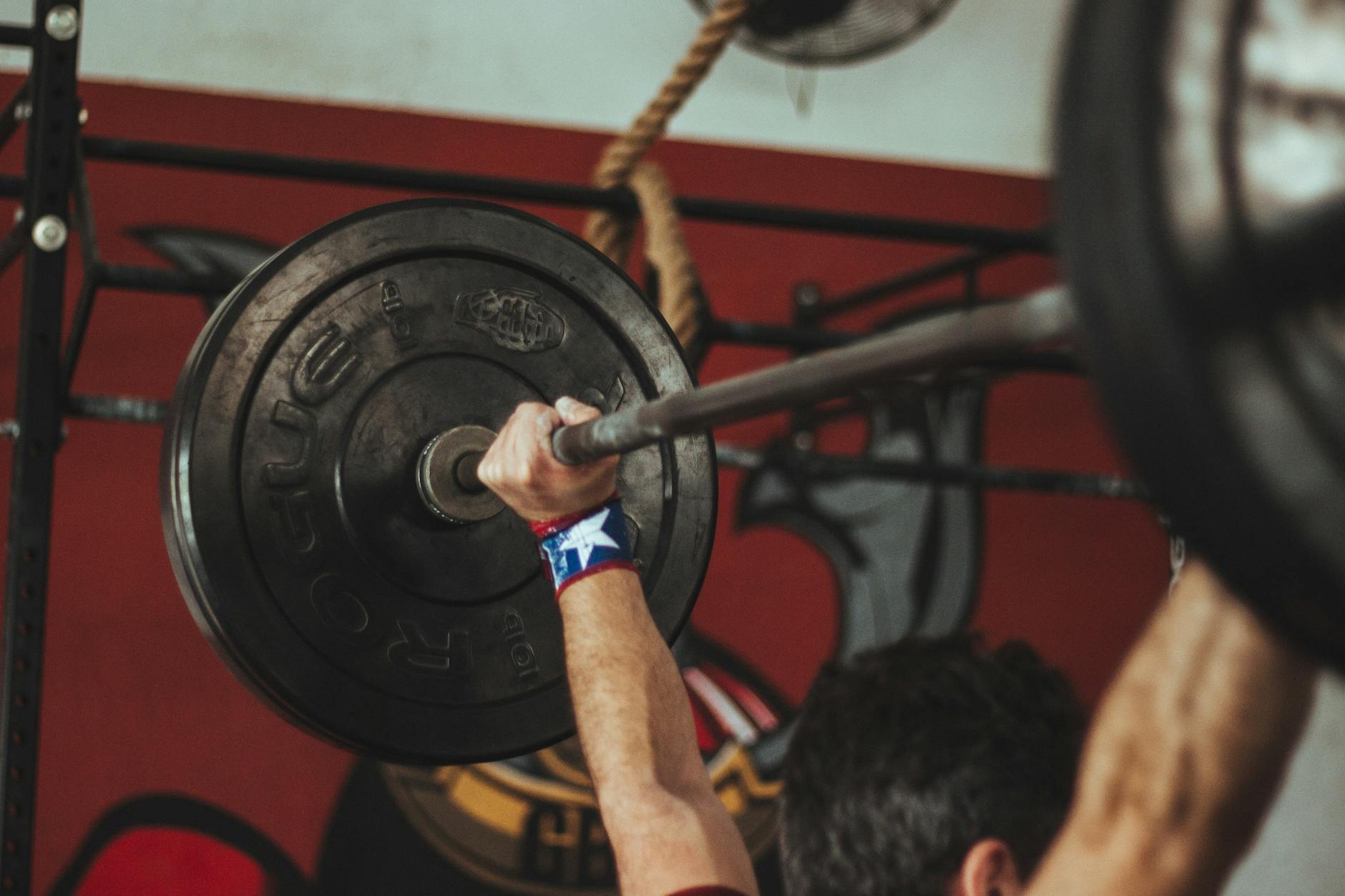
A useful AI workout coach should answer one narrow question: given the plan and the set you just finished, what should happen next?
A good personal trainer does not change your load because one rep looked slow or because your sleep score dipped. They combine what was planned, what you actually lifted, how hard it felt, how recovered you are, and what is happening in your life. An app should use the same order of evidence.
The goal is not to react to every fluctuation. It is to make the smallest adjustment that keeps the workout productive and safe.
Start with the planned target
Before an app changes your next set, it needs to know what success was supposed to look like. That means the exercise, set number, target load, rep range, rest expectation, and the reason for the lift in the program.
This is the foundation for autoregulation, which means adjusting training to today's performance instead of forcing a fixed number at all costs. Eight reps at 100 kg may be a success in one plan and a miss in another.
The app also needs your relevant context before the first set. Your equipment, injury restrictions, schedule, training goal, and recent exercise substitutions all affect what a reasonable next set looks like. A load change without that context is just arithmetic.
Use performance as the first hard signal
Performance tells the app what happened, not what might happen. It should use the weight, completed reps, missed reps, and whether the set was completed as planned.
If your target is 8 to 10 reps and you get 9 with the expected load, the default is to keep going. If you reach the top of the range with good execution, the next change might be the smallest available increase, often 2.5% to 5% for a barbell lift. If you get only 6, the app should not pretend that the plan was completed.
Performance still needs interpretation. A missed rep caused by a loose setup, a distraction, or a longer-than-usual break does not mean the same thing as a missed rep after a steady, hard set. The data should describe the result, but the lifter still has to explain unusual circumstances.
Add effort to explain the result
RPE, or rating of perceived exertion, is a 1-to-10 score for how hard the set felt. RIR, or reps in reserve, is how many more good reps you believe you had left when you stopped. They answer a question that reps and load cannot: how much did that set cost you?
As a rough guide, RPE 7 means about 3 reps left, RPE 8 means about 2, and RPE 9 means about 1. These are estimates, not laboratory measurements. Your judgment also changes with exercise choice, technique, and experience.
The useful pattern is the combination. If you hit 8 reps at RPE 7, you probably have room to repeat the load or make a small planned increase. If you hit 8 at RPE 9, repeating the same load may be reasonable, but adding weight immediately is probably too aggressive. If you miss the target at RPE 9, a reduction of 2.5% to 10% may keep the remaining work useful.
Effort should not replace performance. Someone can report RPE 7 after a poor set because they stopped early, misjudged the effort, or had a technical problem. The app should ask a follow-up question rather than treat one subjective number as a command.
Treat recovery as context, not a verdict
Recovery data can explain why today's performance differs from last week. Useful inputs include sleep duration, soreness, stress, recent hard sessions, days since the exercise, food intake, and bodyweight trends. Heart-rate variability, or HRV, is the variation in time between heartbeats and can be another context signal, but it is not a direct strength reading.
The important rule is that recovery should modify the interpretation of performance, not overrule it. If you slept poorly but hit the target at a normal effort, there is no strong reason to cut the next set. If performance is down, effort is high, and poor recovery has a plausible explanation, a small reduction or an earlier stop makes more sense.
A recovery score should never turn into an automatic load prescription. Wearables can be noisy. Soreness can be local and harmless, while sharp pain can matter even when every readiness number looks normal.
Use user context as a safety gate
The most important context is often not stored in a sensor. It is pain, a change in technique, unusual dizziness, a crowded gym, different equipment, or a shortened session.
Pain is not just another input to average with reps and sleep. Stop the movement, assess what changed, and choose a safe alternative only when you understand the issue. An app can suggest a substitution based on equipment or restrictions, but it cannot inspect a joint or decide that pain is acceptable.
Time also matters. If you have ten minutes left, the best adjustment may be fewer back-off sets rather than a heavier load. If you are training during a calorie deficit, the same performance drop may deserve more caution than it would during a surplus. A useful app should ask for this context or let you record it, rather than infer too much from the bar alone.
Use a simple next-set decision ladder
A practical decision order looks like this:
- Safety first. If there is sharp pain, dizziness, or a major technique breakdown, stop and reassess instead of changing the load by formula.
- Check the target. Compare the actual weight and reps with the programmed range.
- Check effort. Use RPE or RIR to see whether the result was easy, appropriate, or near failure.
- Check the explanation. Consider rest, equipment, sleep, soreness, stress, and any unusual event.
- Make the smallest useful change. Hold the load, add one rep, reduce 2.5% to 10%, or end the planned sets.
- Record why. A change is more useful when the next session can distinguish fatigue from a bad setup or an unrealistic target.
These are examples, not universal commands. A heavy barbell squat and a cable curl do not need the same adjustment size. Neither does a top set, where you test the day's capacity, and a lighter follow-up set, where you accumulate controlled work.
Know what the app cannot see
A personal trainer can watch bar path, bracing, range of motion, breathing, and hesitation. An app usually cannot see those details reliably. It needs the lifter to report them.
GymLog shows this boundary clearly. Its voice coach can turn saying "got eight at 100" into one logged set with the exercise, weight, and reps. Its tap log can add an optional RPE of 7, 8, or 9, but RIR, pain, and technique issues are not spoken effort inputs. Keep those in your own notebook or phone note with a short cue such as "RPE 9, left knee felt off".
That division of labor is sensible. Let the app handle consistent history, load math, and the programmed target. Let the lifter supply the information a microphone and workout log cannot observe.
Let trends beat one bad set
Real-time adjustment should handle the next set. Bigger program changes need a trend. One poor result may come from setup, timing, or a noisy recovery signal. If the same miss appears across two or three sessions at a similar effort, the exercise, load, or weekly workload deserves a closer review.
This is how progressive overload, or gradually asking your muscles to do more over time, stays productive. The best AI workout coach is not the one that changes the most. It is the one that uses performance, effort, recovery, and context in that order, explains the decision, and changes only what needs changing.