
The GymLog blog
Training that survives real life.
Programming, protein and plateaus, and notes from building GymLog.

GymLog AI? What an AI Voice Workout Coach Should Say Between Sets
Useful between-set feedback says what happened, what it means, and one next action. Generic motivation alone can’t guide your next set.

Multilingual Workout App: Can You Log Sets by Voice in Another Language?
A translated menu does not guarantee accurate voice logging. Test 10 real sets in your preferred language before trusting the numbers.
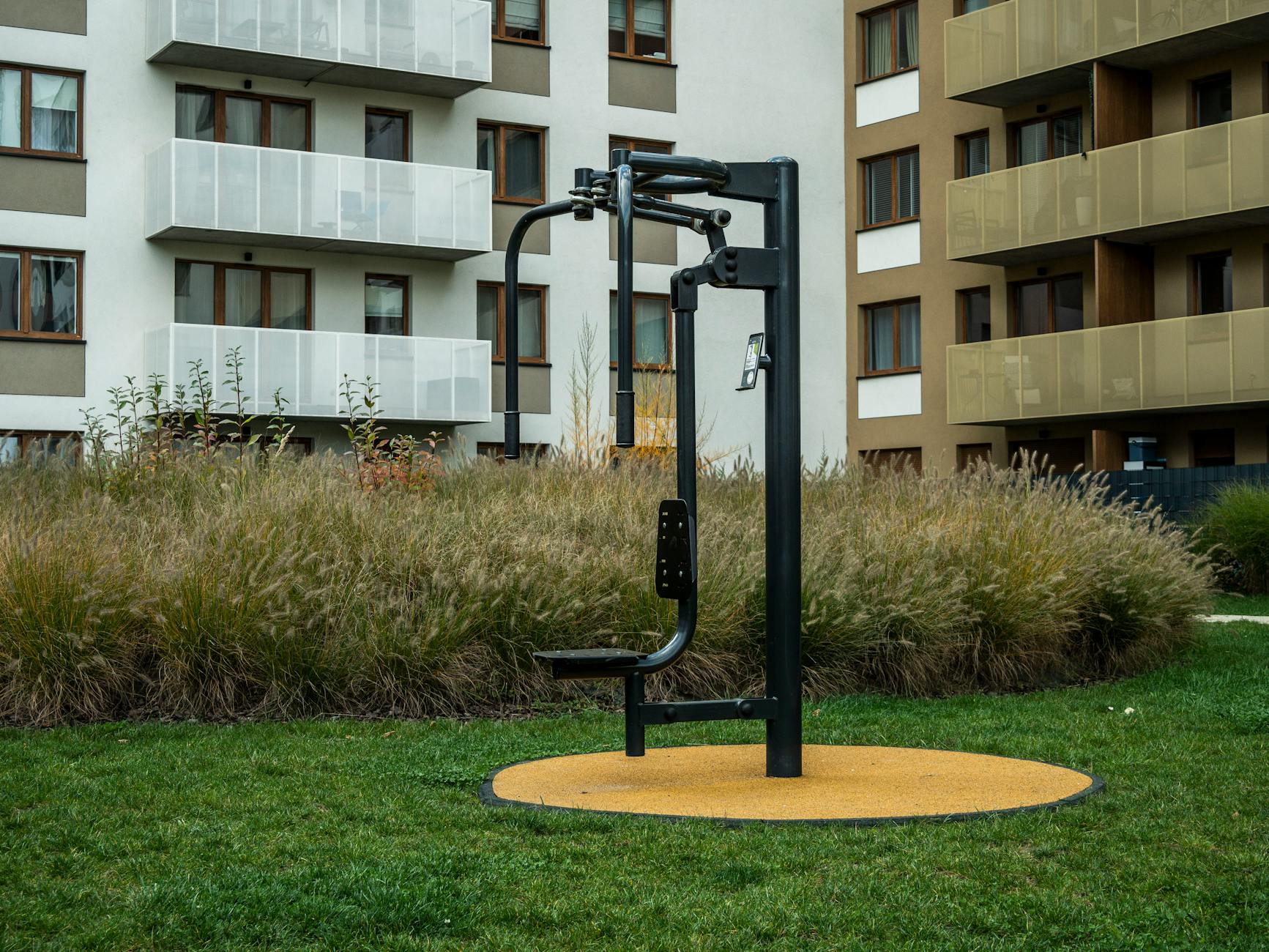
Fall Strength Training Routine: Stay Consistent When Work, School, and Daylight Shift
Build a fall strength training routine around two reliable workout windows, a short fallback session, and a simple rule for missed days.
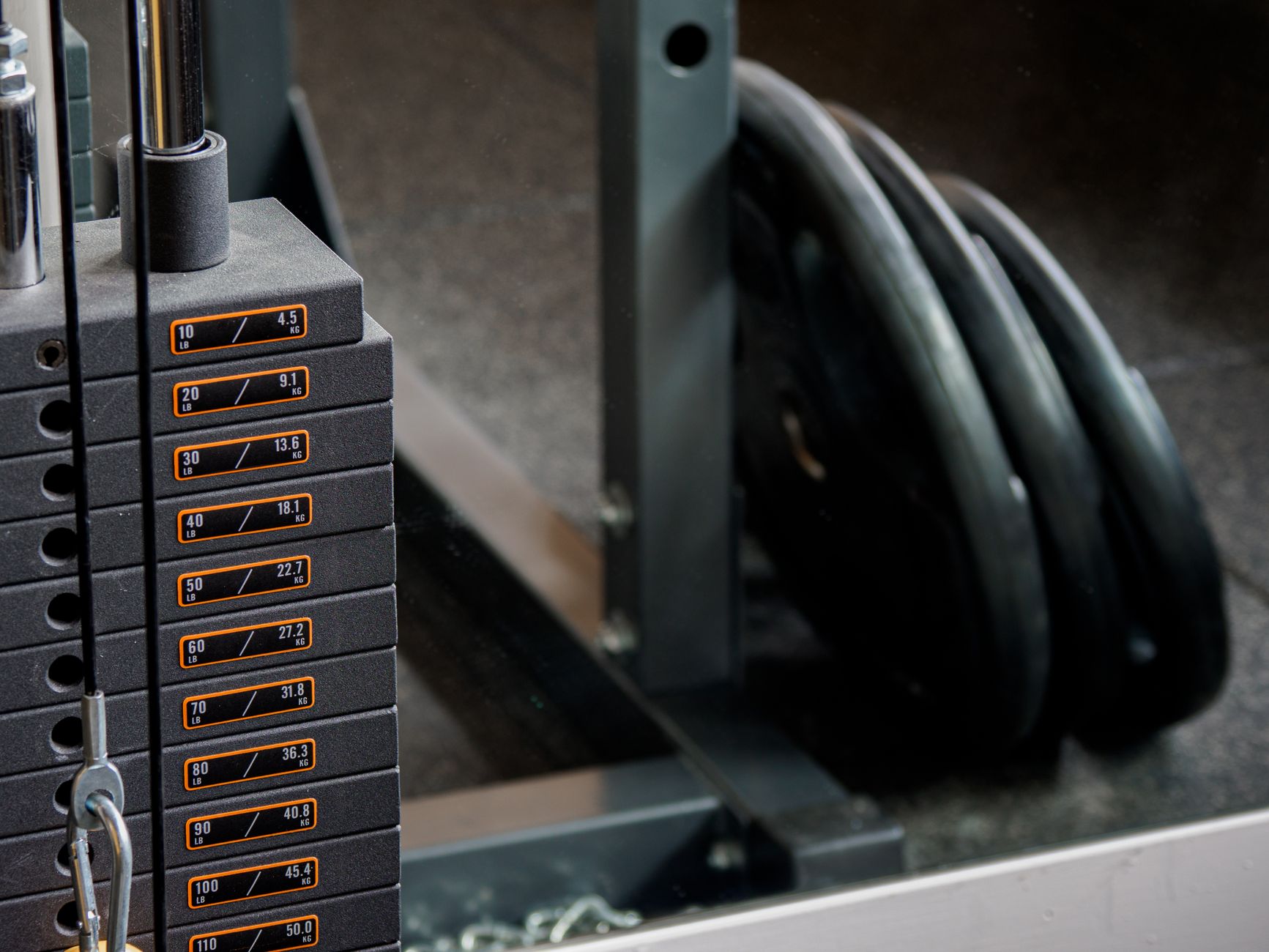
Machine Weight Increments: Bridge Big Stack Jumps With Reps and Effort
Use a rep target, an effort cap and a staged first set to make large machine weight increments measurable instead of forcing the next pin.

How to Log Cluster Sets in a Workout App
Log each cluster mini-set separately, record the short rests, and keep mini-set rows from inflating your count of programmed sets.

Strength Training for Older Adults: Track Power, Not Just Weight and Reps
Weight and reps show part of the picture. Add a simple speed cue and a monthly chair-rise check to follow changes in functional strength.

Strength Training on GLP-1: What to Track to Protect Muscle While Losing Weight
On GLP-1, track repeat-lift performance, training consistency and recovery alongside weight. Learn how to spot a trend without overreacting to one session.

Start Logging Workouts Before You Build a Full Program
Start with the gym sessions you already do. A few consistent details can give you a useful baseline before you build a full program.

How to Log Assisted Reps and Rest-Pause Sets Without Inflating Your Progress
Count the reps you did unassisted as your standard set. Track assisted reps and rest-pause mini-bouts separately so strength comparisons stay honest.

AI Workout Coach vs Personal Trainer: What Data Should Change Your Next Set?
An AI workout coach should combine reps, effort, recovery, and context before changing your next set. Here is the decision order.
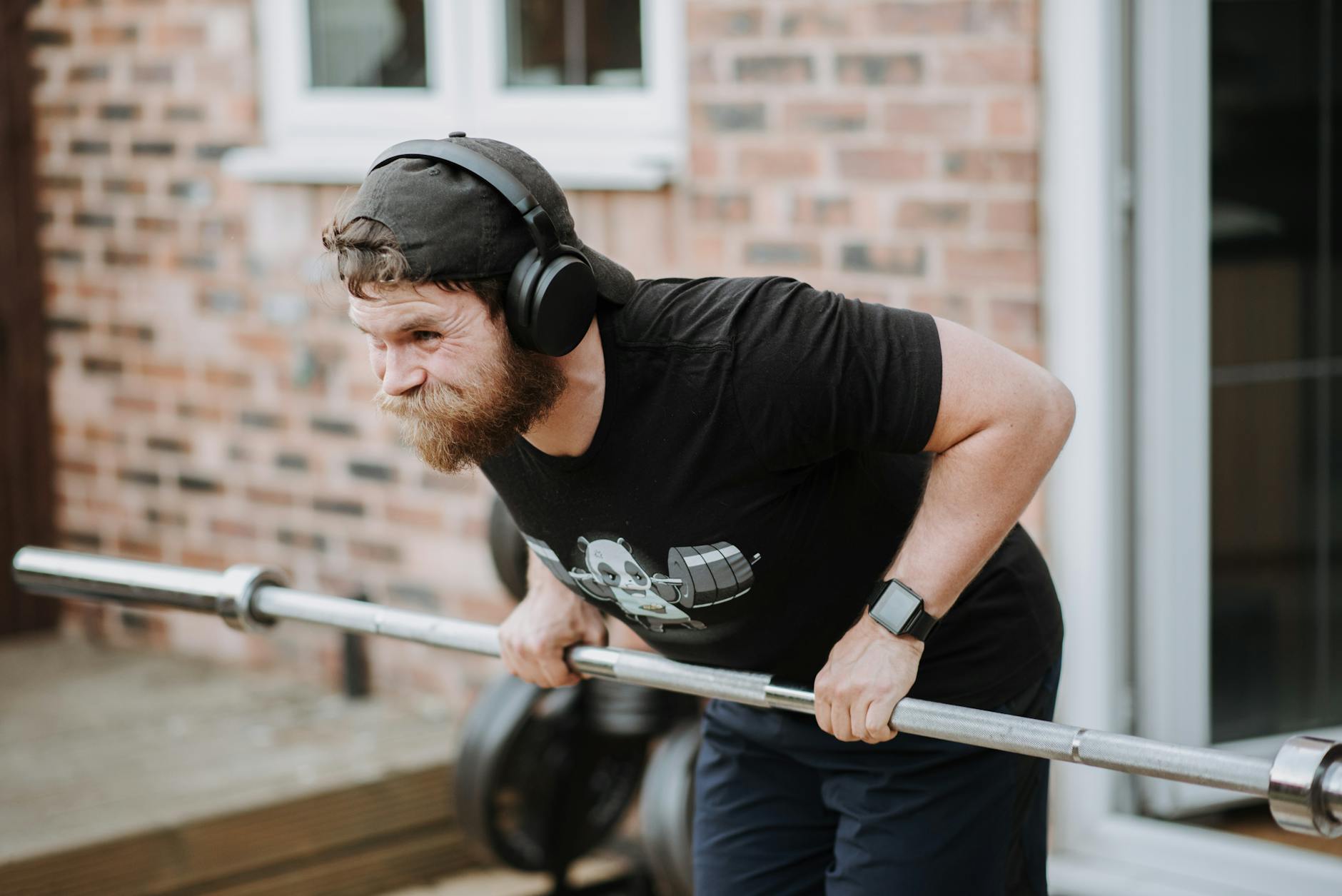
Apple Watch Strength Training Metrics: What Actually Matters for Progressive Overload
Apple Watch strength training metrics can guide rest and context, but load, reps, and RIR decide whether you are actually progressing.

How to Log Tempo Training: Track Eccentric Speed and Isometric Holds
Learn how to log tempo training, pauses, and isometric holds so harder reps are not mistaken for stalled strength.

How to Track Bodyweight Strength Progress When the Scale Won’t Move
Track bodyweight strength progress with reps, tempo, assistance, and RIR when your bodyweight and added weight stay the same.

How to Track Unilateral Exercises: Log Each Arm or Count One Set?
Log every side for honest left-right data, but count a matched pair as one set. Use the weaker side to set reps, load, and progression.
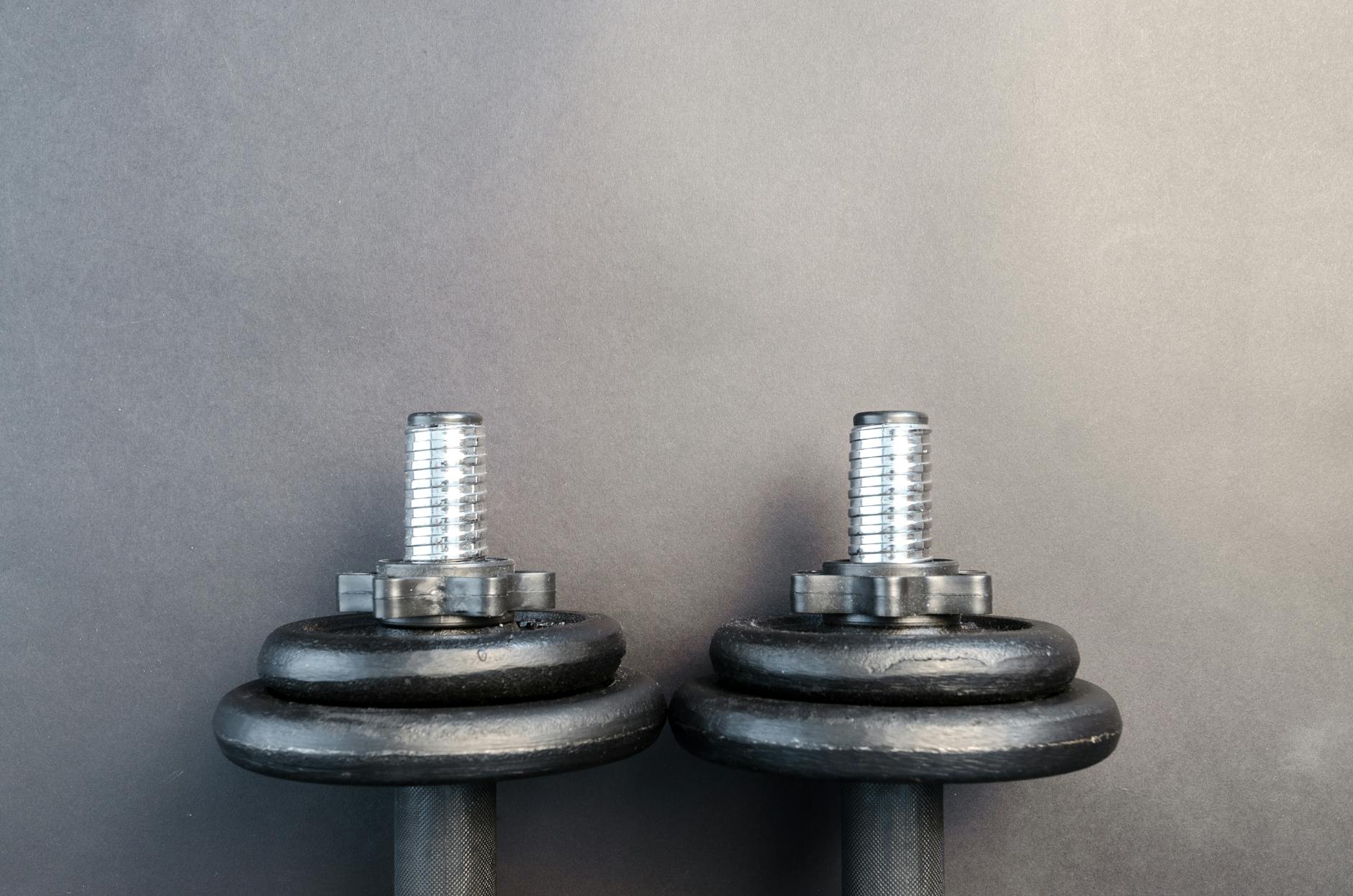
How to Log Drop Sets in a Workout App Without Losing Main-Set Data
Log every drop separately, preserve the full-load set, and keep your progression trends based on comparable work.

Restarting Strength Training After Summer Travel: Rebuild Your Starting Loads
Restart strength training in September by testing current performance, adjusting for soreness, and earning your old loads back.
How to Adjust Your Workout After a Bad Night of Sleep: Readiness and Early-Set Performance
Use readiness, warm-up evidence, and early-set performance to scale load or volume after poor sleep without automatically skipping training.
Estimated 1RM Strength Tracking: Compare Heavy and High-Rep Sets
Use estimated 1RM strength tracking to compare heavy and high-rep sets without pretending the numbers are equally reliable.
RPE vs RIR: How to Use RPE Instead of RIR in a Workout Log
RPE and RIR measure the same effort from opposite ends. Learn the translation rules that give an adaptive coach cleaner workout data.

Superset Workout Log: How to Log Supersets and Giant Sets Without Losing Set Order
A practical superset workout log format that keeps exercise order, rest context, and per-movement performance intact when you speak your sets.

How to Log a Missed Rep Without Ruining Your Training Data
Record completed reps, failed attempts, and effort separately so one missed rep improves your next session instead of corrupting your training data.

How to Log Warm Up Sets in a Workout App
Log warm-up and ramp-up sets separately so your workout app uses only working sets to judge load, reps, and progression.
Voice Workout Logging: What to Say Between Sets
A hands-free script for voice workout logging: capture exercise, weight, reps, reps in reserve, and useful notes between sets.
How to Maintain Strength While Cutting: Use RIR Trends to Dial Progression
Keep strength during a cut by using two to three weeks of RIR trends to choose when to hold, micro-progress, or reduce training stress.
Volume Ramp vs Recovery: Use Last-Week Top-Set RIR to Cap Sets
Use your final week's top-set RIR to set a hard ceiling for next block volume, so you can ramp sets without outrunning recovery.
Rest-time progression control: the simple way to adjust next-set weight when rest timing changes
A rest timer changes your next set. Use one simple rule to adjust load without mistaking short rest for lost strength.

Exercise Substitution: Keep Progression When You Swap a Lift
Swap exercises without corrupting your log. Match the training job, recalibrate the load, and earn progression on the new variation.
When Reps Move but RIR Drifts: Use an Effort Trend Check to Spot Progress or Fatigue Masking
Reps can climb while RIR falls. Use a three-exposure effort trend check to tell real progress from fatigue masking before you add load.

Stop overshooting set 1: the rep-target cue that prevents fatigue pileups
The first set feels easy, so you overshoot. Learn the rep-target cue that keeps fatigue from snowballing across the rest of the workout.

RIR-to-load for real plates: convert reps in reserve into the weight you can rack
Stop guessing. Turn a target RIR into an actual plate load using simple rounding rules you can apply today.

Missed RIR: next-set logic for “same reps, lower reps in reserve”
If you hit the reps but your RIR drops, don’t chase ego. Use the next-set rule to adjust load and keep progress honest.
How to Break a Bench Press Plateau With Double Progression
If your bench stopped moving, use double progression: add reps first, then load. Clear targets, simple set-up, honest guardrails.
Plate math progression: stop guessing plate math with rep-range ceilings
Use rep-range ceilings and round plate increments so your plate math progression stays consistent and your weights actually move.

RIR progression: the next-set logic that turns “reps in reserve” into add weight or add reps
Use RIR progression to decide the next set: if you land your target reps with the RIR you planned, you add weight or reps next.

Deload timing rules: use your RIR trend and missed targets
Stop guessing deloads. Use your logged RIR trend and missed set targets to decide deload timing, week by week.