
Fall Strength Training Routine: Stay Consistent When Work, School, and Daylight Shift
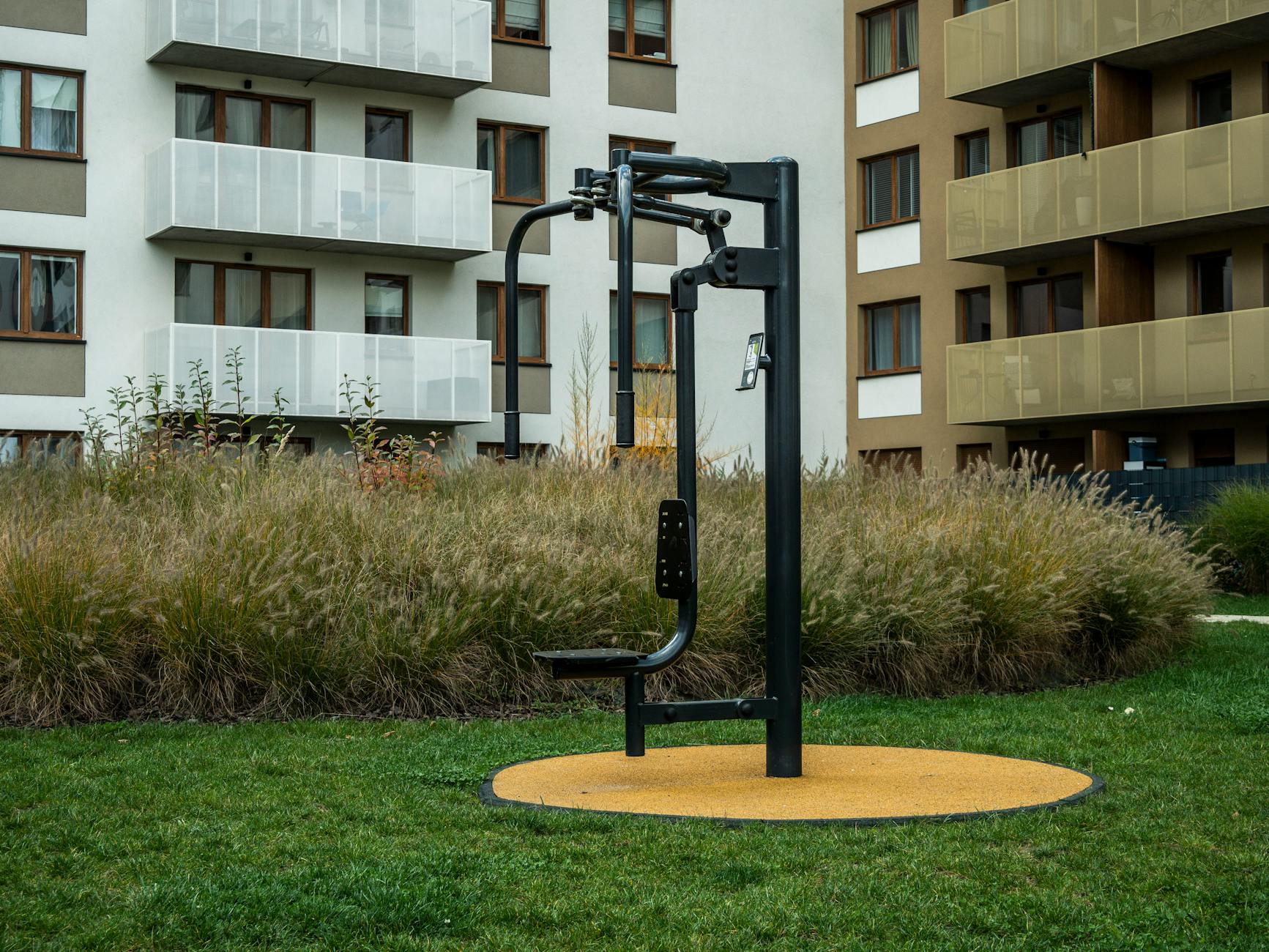
Fall can change your training week without changing your goals. Work gets busier, classes start, commutes shift, and the useful daylight disappears earlier. If your routine depends on one exact workout time, a calendar change can make it feel like the whole plan has fallen apart.
The answer is not to force the old schedule at any cost. Build a fall strength training routine with a couple of reliable workout windows, a shorter backup, and a clear rule for what to do when a session gets bumped. That way, one late meeting does not turn into a lost week.
Build your fall strength training routine around two anchors
An anchor session is a workout placed in a time window that is likely to survive your week. Start by choosing two. For example, you might lift Tuesday after work and Saturday morning. Treat each as a window, not a precise appointment: Tuesday evening could mean any time between leaving work and dinner.
Aim for about 30 minutes for each anchor. That is a planning target, not a claim that 30 minutes suits every program. If your current plan calls for three or more sessions, keep the other workouts on the schedule as floating sessions. The two anchors are your minimum structure for a messy week, not automatically a replacement for the training your plan calls for.
Pick times based on your real constraints. If the gym is crowded after work, an early session or a lunch break might be more dependable. If school changes your weekday hours, a weekend window may be the safer anchor. Put the windows in your calendar and include the travel time. A workout that fits on paper but not between class and a train is not a useful plan.
Make a full, short, and fallback version
Before the week gets busy, decide how you will shorten a workout without improvising under pressure. Keep three versions in mind:
- Full: Do the session as planned.
- Short: Keep the main exercises and cut one or two smaller movements.
- Fallback: Spend about 15 minutes on one planned main exercise, including its warm-up, then stop.
The fallback is there to keep the habit alive when time is unusually tight. It is not equivalent to a full session, and it should not quietly become your permanent program. Do not race through rest periods or add the sets you skipped to your next workout. A shorter session done safely is better than squeezing a full session into a time slot that does not exist.
If you are unsure what to cut, keep the first exercise in the plan and trim work from the end. That gives you a simple decision instead of a new workout design every time your calendar changes. If the fallback is needed most weeks, update your regular schedule rather than relying on emergency sessions.
Log the session you actually completed
A changing schedule makes memory less reliable. Record the weight and reps you actually did for each set, including when you used the short version. GymLog lets you tap in weight and reps for each set, with an optional RPE rating (rating of perceived exertion: a 1-to-10 score for how hard a set felt). Its effort ratings are 7, 8, or 9.
Do not make a shortened session look like a missed workout in your own review. They are different situations. To remember why the session changed, jot a brief line in your calendar or a notebook, such as “30 minutes, after class” or “gym closed early.” That context is your own note, separate from the set log.
When you compare sessions, account for what changed. Two sets of an exercise are not the same amount of work as four, even if the weight and reps match. Likewise, a lift done at a different time of day may feel different without proving that your strength has dropped. Look at what you completed and the circumstances around it before changing the plan.
Move a missed session once, then move on
Use one simple rule: if you miss an anchor, move it once to an open time within the next 48 hours, provided that does not put hard sessions too close together. If there is no sensible opening, skip it and return to your next planned workout. Do not cram two demanding sessions into one day just to make the calendar look complete.
For example, if a Tuesday session gets taken over by work, Thursday may be a reasonable replacement if it leaves enough recovery before your next hard workout. If Thursday is already packed, keep the next session where it is. The point is to make a practical adjustment, not to create a chain of make-up workouts.
If you use GymLog, its plan can move a session when the week slips and announces the change. Follow the adjusted schedule rather than adding a duplicate workout on top of it.
Use a cue that still works when daylight changes
An earlier sunset can remove the walk or outdoor routine that used to lead into training. Replace that cue with something tied to your day: pack your gym bag before bed, go straight from work, or set a reminder for the start of your workout window. If morning training is your reliable option, set out clothes and anything else you need the night before.
Keep a backup location or option in mind too. That could be a different gym near work or a home session using equipment you already have. Do not assume every backup can reproduce your normal workout. Its job is to give you a workable choice when the usual route is blocked.
Review four weeks before changing the plan
At the end of four weeks, count how many planned sessions you completed and check whether the same obstacle kept getting in the way. If you hit fewer than two sessions in two of the last three weeks, change the schedule: try different anchor windows or set a more realistic weekly target. Repeating a plan that clashes with work or school is not a test of willpower.
If you are completing the sessions but often cutting them short, look at the weekly amount of work too. GymLog shows weekly volume, meaning the total training work recorded across the week, and a day-by-day history of sessions. Those views can help you spot whether the new schedule is simply shifting workouts or consistently removing too much work.
The aim is not to make every fall week identical. It is to keep a routine you can return to after a late shift, a dark evening, or a packed school week. Two dependable anchors, one sensible fallback, and a clear move-or-skip rule give you a better chance of training through the change.